

Best Dog Treats for Training: 2026 Guide
Table of Contents
- Quick Comparison Table: Best Dog Treats for Training
- High-Value Dog Training Treats That Drive Results
- Soft Dog Treats for Training: Texture Matters
- Natural Dog Training Treats for Sensitive Stomachs
- Puppy Training Treats: Size, Calories, and Safety
- Calorie Budgeting and Portion Control for Daily Training
- Treat Selection by Training Context: Distractions vs. Focus Work
- Frequently Asked Questions
Last Updated: October 10, 2026
Quick Comparison Table: Best Dog Treats for Training
The best dog treats for training balance three factors: palatability, portability (breakability into small pieces), and calories to avoid overfeeding.
| Treat Type | Best For | Calories Per Piece |
|---|---|---|
| Crack! Bars | Frequent rewards during training sessions | 2 cal/square |
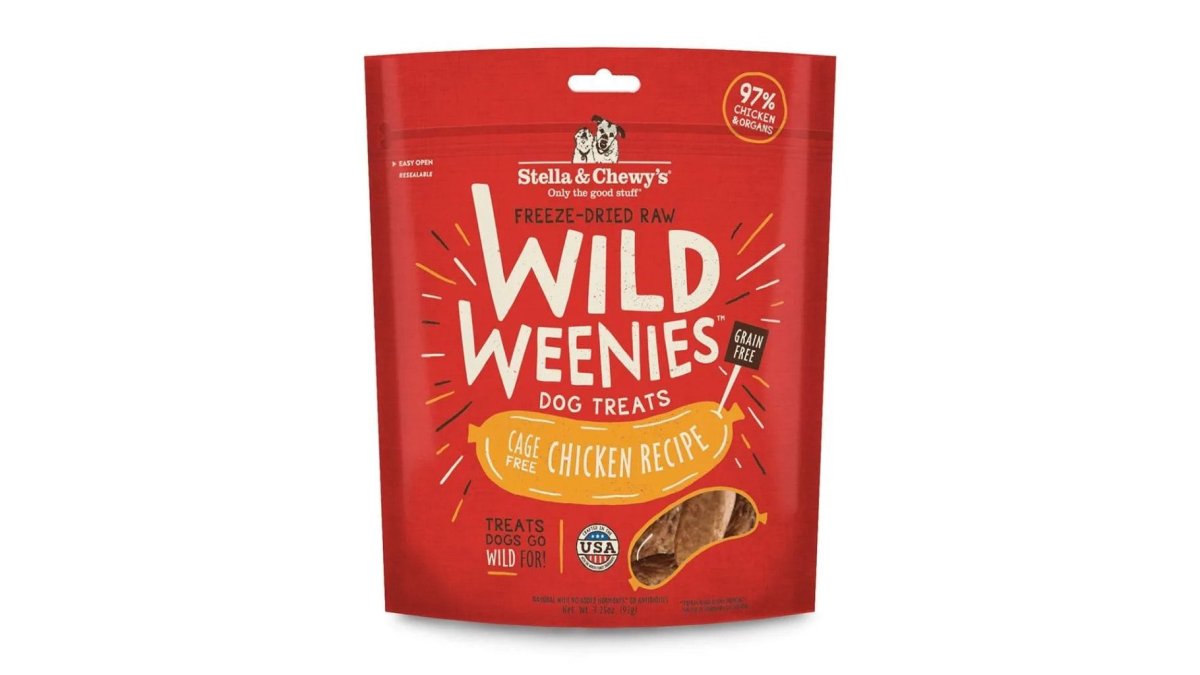
| Freeze-Dried Weenies (Beef, Chicken, Lamb) | High-value rewards for difficult distractions | 3-5 cal/piece |
| Beef Lung Cubes | Everyday training, high protein | ~4 cal/cube |
| Bitty Bones (Peanut Butter & Blueberry) | Small dogs or frequent rewards | 3 cal/treat |
High-Value Dog Training Treats That Drive Results
High-value treats pull your dog's focus away from distractions. Freeze-dried meat treats deliver this intensity because they smell stronger and taste richer than baked options.


American Kennel Club's guide to positive reinforcement training emphasizes reward timing and consistency. The treat your dog receives must arrive within 1-2 seconds of the desired behavior for the connection to stick. This is where portability matters: you need treats small enough to deliver instantly without breaking your training rhythm.
Soft Dog Treats for Training: Texture Matters
Soft treats dissolve fast, allowing your dog to refocus immediately on the next command. Crunchy treats require chewing, which breaks training momentum.
Why Soft Treats Work Best for Frequent Rewards
Soft dog treats for training are ideal for rapid-fire repetitions, your dog refocuses faster without chewing delays. They also work better for puppies with developing teeth and senior dogs with dental sensitivity.
Most soft treats spoil faster due to higher moisture. Crack! Bars offer a semi-soft texture breakable into micro-pieces, combining soft-treat speed with baked-good shelf stability.
Freeze-Dried vs. Baked: Which Delivers Better Engagement
Freeze-dried treats concentrate flavor and aroma, making them intensely meaty and higher-engagement for picky eaters. However, they cost more and require careful storage. Baked treats like Crack! Bars stay fresh longer and cost less. Many trainers keep both: freeze-dried for high-distraction work, baked for routine sessions.
Natural Dog Training Treats for Sensitive Stomachs
Dogs with food sensitivities need treats with minimal ingredients and no fillers or artificial preservatives. Identify which ingredients trigger your dog's reaction and select treats that exclude them.
Common Allergens in Dog Treats
The most frequent culprits are:
- Chicken, The #1 allergen in commercial treats. Eliminate if your dog shows itching, ear infections, or digestive upset.
- Beef, Second most common allergen.
- Wheat, corn, and soy, Grain-based fillers. "Wheat-free" labels don't guarantee safety if your dog reacts to other grains.
- Dairy, Present in soft treats and peanut butter varieties.
- Artificial preservatives, BHA, BHT, and ethoxyquin are linked to allergic responses. Natural preservatives like mixed tocopherols (vitamin E) are safer.
- By-products and meal, Rendered proteins that trigger reactions more severely than whole-meat options.
How to Identify a Food Sensitivity
Sensitivities differ from allergies (which cause immediate reactions like vomiting or swelling). Sensitivities develop over days or weeks and show as chronic itching, ear infections, loose stools, vomiting, gas, or skin rashes.
Introduce a new treat in isolation for 5-7 days while keeping everything else constant. If symptoms worsen, discontinue. If they improve or stay stable, the treat is likely safe.
Veterinary nutritionist resources from UC Davis School of Veterinary Medicine recommend keeping a food diary: note the treat, date, quantity, and any symptoms within 24-48 hours. Over time, patterns emerge.
Treat Selection for Sensitive Dogs: A Decision Framework
If your dog reacts to chicken: Freeze-dried beef, lamb, or fish single-ingredient treats are safest. Cost is higher ($0.50-$1.50 per treat), but you eliminate guesswork.
If your dog reacts to multiple proteins: Try a novel protein like venison, duck, rabbit, or kangaroo, less common and less likely to trigger cross-reactivity.
If your dog reacts to grains: Crack! Bars are wheat, corn, soy, and gluten-free. Verify the ingredient list, some "grain-free" treats substitute potato or pea starch, which can still trigger sensitivities.
If your dog has dairy sensitivity: Avoid peanut butter treats (many contain whey or milk powder) and cheese-based options.
Storage and Freshness for Sensitive Dogs
Store freeze-dried treats in an airtight container with a desiccant packet in a cool, dry place to prevent mold growth. Baked treats like Crack! Bars stay stable longer but still degrade. Use within the expiration date and discard any treats that smell rancid or show mold.
Puppy Training Treats: Size, Calories, and Safety
Puppies need smaller treats and careful calorie management. Overfeeding during training can displace regular meals and cause nutritional imbalance during critical growth stages.
Training treats should not exceed 10% of your puppy's daily calorie intake. A 20-pound puppy eating roughly 500 calories per day can handle about 50 calories from treats, 25 pieces of Crack! Bars or 10-15 freeze-dried weenies.

Bitty Bones (3/4 inches) are sized for small mouths. Crack! Bars break into 50 pieces for portion control. Never use adult-sized treats with puppies, choking risk is real.
Calorie Budgeting and Portion Control for Daily Training
A typical 30-minute training session adds 150-300 calories. Treat calories must come from your dog's daily budget, not on top of it, to prevent weight gain and associated health risks.
Step 1: Determine Your Dog's Daily Calorie Needs
Calculate your dog's baseline calorie requirement using Resting Metabolic Rate (RMR): multiply body weight in pounds by 30, then add 70. A 30-pound dog needs 970 calories/day at rest; a 50-pound dog needs 1,570; a 70-pound dog needs 2,170.
Multiply RMR by activity level: Sedentary × 1.2, Moderate × 1.5, Active × 1.8, Very active × 2.0+. Example: A 50-pound moderately active dog needs (1,570 × 1.5) = 2,355 calories/day.
Association of American Feed Control Officials (AAFCO) pet food guidelines provide calorie content on most commercial dog food labels. Check your kibble bag for calories per cup, then measure how much you're actually feeding.
Step 2: Allocate 10% for Training Treats
Training treats should not exceed 10% of daily calorie intake. This leaves 90% for balanced nutrition from kibble or whole food.
- 30-pound dog at 1,164 calories/day: 116 calories for treats, 1,048 for kibble
- 50-pound dog at 2,355 calories/day: 235 calories for treats, 2,120 for kibble
- 70-pound dog at 2,604 calories/day: 260 calories for treats, 2,344 for kibble
Step 3: Convert Your Treat Budget to Pieces
Now translate calories into actual treats you'll use during training.
Crack! Bars (2 calories per square):
- 30-pound dog: 116 ÷ 2 = 58 squares/day
- 50-pound dog: 235 ÷ 2 = 117 squares/day
- 70-pound dog: 260 ÷ 2 = 130 squares/day
Freeze-dried single-ingredient treats (3-5 calories per piece, depending on size):
- 30-pound dog: 116 ÷ 4 = 29 pieces/day (using 4 cal average)
- 50-pound dog: 235 ÷ 4 = 58 pieces/day
- 70-pound dog: 260 ÷ 4 = 65 pieces/day
Bitty Bones (3 calories per treat):
- 30-pound dog: 116 ÷ 3 = 38 treats/day
- 50-pound dog: 235 ÷ 3 = 78 treats/day
- 70-pound dog: 260 ÷ 3 = 86 treats/day
Step 4: Reduce Kibble Portions Accordingly
This is the step most owners skip, and why their dogs gain weight. If you're adding 235 calories of treats to a 50-pound dog's day, you must reduce kibble by 235 calories.
If your kibble is 400 calories per cup:
- 235 calories ÷ 400 = 0.59 cups less kibble per day
If you were feeding 2.5 cups of kibble, reduce to 1.91 cups (roughly 2 cups). Weigh your dog's food on a kitchen scale for accuracy; eyeballing portions introduces 10-20% error.
Adjusting for Training Intensity
If you exceed your daily budget on a training day: Reduce kibble further that evening or skip treats the next day. Consistency over the week matters more than perfection on any single day. If you train lightly: Bank unused calories for high-value treats during weekend competition or distraction work.
Monitoring Weight and Adjusting
Weigh your dog every 2-4 weeks and adjust kibble accordingly. Body condition score is more reliable than scale weight: you should feel ribs easily, see a waist from above, and see an abdominal tuck from the side. If ribs disappear or waist vanishes, your dog is overweight, reduce calories immediately.
Treat Selection by Training Context: Distractions vs. Focus Work
Not every training situation calls for the same treat. Context matters.
For focus work (sit, stay, down): Low-value treats like Crack!
Certified Professional Dog Trainer standards from the CCPDT emphasize that reward timing and consistency matter more than treat value. A predictable low-value reward beats an unpredictable high-value one. But when training through distractions, the treat value absolutely matters.
Choosing the best dog treats for training comes down to matching the treat to your dog's needs and your training goals. High-value freeze-dried options drive engagement through distractions. Crack! Bars deliver portability and calorie control for frequent rewards. Single-ingredient freeze-dried treats protect sensitive stomachs. Bitty Bones scale perfectly for small dogs and puppies.
Frequently Asked Questions
What makes a dog treat high-value for training?
High-value dog training treats are those your dog finds irresistible, usually small, soft, and packed with flavor or aroma. Freeze-dried meat treats like Stella & Chewy's Wild Weenies work exceptionally well because they smell intensely meaty and trigger strong motivation. Size matters too: mini treats (2-3 calories each) let you reward frequently without overfeeding, keeping your dog engaged during longer sessions without treat fatigue.
Are soft or crunchy treats better for dog training?
Soft treats are generally better for training because dogs consume them quickly, minimizing interruption to your session flow. Crunchy treats require chewing time and can distract from the next command. However, crunchy options like Beef Lung Cubes work well for high-distraction environments where you need a treat that holds your dog's attention longer, or as occasional rewards outside active training.
How many training treats can I safely give my dog per day?
Training treats should account for no more than 10% of your dog's daily calorie intake. If your dog needs 500 calories daily, treats should total roughly 50 calories. Crack! Bars at 2 calories per square let you reward frequently without exceeding this limit. Calculate your dog's daily calorie needs based on weight and activity level, then adjust treat portions accordingly to prevent overfeeding and maintain a healthy weight.
What are the best training treats for puppies?
Puppy training treats should be tiny (pea-sized) to avoid overfeeding growing dogs. Peanut Butter & Blueberry Bitty Bones at 3 calories each are ideal for puppies because they're small and easy to consume quickly. Single-ingredient freeze-dried options like Stella & Chewy's Chicken Breast are pure and natural. Always avoid treats with xylitol, which is toxic to dogs, and introduce new flavors one at a time to monitor for allergic reactions.
Can I use my dog's regular kibble as training treats?
You can, but it's often less effective. Regular kibble doesn't provide the same motivation or reward value as dedicated training treats. Dogs respond better to high-value rewards like freeze-dried meat or soft treats that stand out from their everyday food. If you do use kibble to manage calories, reserve your best treats for difficult commands or high-distraction scenarios where you need maximum engagement.