

Best Natural Treats for Sensitive Dogs
Table of Contents
- What Makes a Treat Right for Dogs with Sensitive Stomachs
-
Best Treats for Dogs with Food Allergies and Sensitivities
- Freeze-Dried Chicken Breast: High-Protein Single-Ingredient Option
- Freeze-Dried Lamb Liver: Novel Protein for Rotation
- Freeze-Dried Beef Liver: Another Novel Protein Choice
- Turkey Club Biscuits: Easier Protein for Sensitive Stomachs
- Rabbit Ears and Rabbit Hide Plate: Whole-Animal Novel Proteins
- Sweet Potato Chips: Plant-Based Digestive Support
- Carrot Chips: Low-Calorie Fiber for Gut Health
- Single-Ingredient Dog Treats: Why They Matter
- Limited-Ingredient Dog Treats and Elimination Diets
- How to Introduce New Treats to Dogs with Sensitive Stomachs
- Quick Comparison: Treat Options by Type and Price
- Transparent Ingredient and Manufacturing Checks
- Frequently Asked Questions
Last Updated: October 17, 2026
What Makes a Treat Right for Dogs with Sensitive Stomachs
Finding the best natural treats for sensitive dogs starts with understanding the cause. Not every digestive upset is a food allergy, and not every sensitivity needs the same solution.
The key difference is ingredient simplicity and digestibility. Sensitive dogs need treats that are easy to break down: single-ingredient options, novel proteins, and minimal processing. Here's what to look for and avoid.
Understanding food intolerance, food allergy, and digestive illness
Food intolerance means your dog's digestive system struggles to process a specific ingredient, often grains, dairy, or certain proteins, causing loose stools, gas, or mild vomiting.
Food allergy is an immune response: the body treats a protein as a threat.
Digestive illness is separate: inflammatory bowel disease, pancreatitis, or infections cause upset independent of diet.
The practical difference: if your dog reacts to chicken but does fine on lamb, it's likely an intolerance or allergy.
Ingredients to look for and avoid
Look for:
- Single-ingredient treats (100% freeze-dried chicken, 100% lamb liver, plain carrot)
- Novel proteins your dog hasn't eaten before (rabbit, duck, venison, fish)
- High protein content for satiety and nutrition
Avoid:
- Artificial preservatives (BHA, BHT, ethoxyquin)
- Artificial colors and flavors
- Wheat, corn, soy (common allergens)
- By-products and meal (low digestibility)
The simpler the ingredient list, the easier it is to identify what your dog reacts to. If you're running an elimination diet, single-ingredient treats are non-negotiable.
Best Treats for Dogs with Food Allergies and Sensitivities
Freeze-Dried Chicken Breast: High-Protein Single-Ingredient Option
Freeze-dried chicken breast is the gold standard for dogs with sensitivities who haven't reacted to poultry. Freeze-drying removes moisture while preserving protein and nutrients, creating a shelf-stable, easy-to-portion treat.
Our Freeze Dried Chicken Breast Dog Treats deliver 73% minimum crude protein in a single-ingredient format.

The main limitation: if your dog has a chicken sensitivity, this won't work, so keep other protein options available.
Freeze-Dried Lamb Liver: Novel Protein for Rotation
Lamb is a novel protein for most dogs, ideal if your dog has reacted to chicken, beef, or pork.
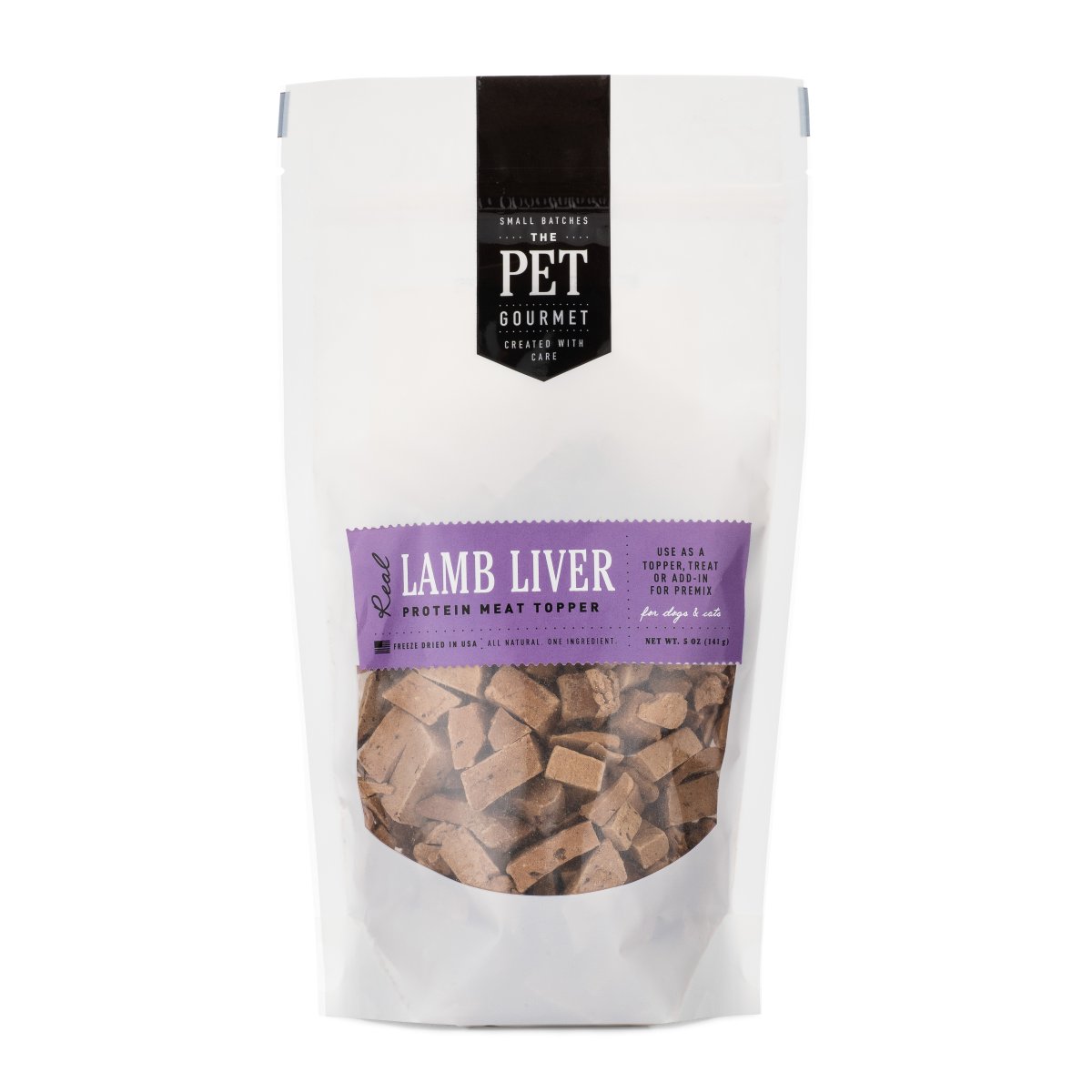
Our Freeze Dried Lamb Liver Dog Treats & Topper contain 57% minimum crude protein and work like the chicken option: treat, training reward, or food topper.
The trade-off: lamb liver has slightly more fat (19.8% crude fat) than chicken breast, which some dogs with pancreatitis sensitivities may not tolerate, so discuss it with your vet first.
Freeze-Dried Beef Liver: Another Novel Protein Choice
Beef liver is another nutrient-dense option for protein rotation. If your dog has done well on beef but you want to rotate temporarily for an elimination diet, beef liver stays in the same protein family while offering different nutritional compounds than muscle meat.
Stella & Chewy's Freeze Dried Beef Liver is available at K9 Kremery for $16.99 per 3 oz bag. It's 100% beef liver with zero additives.
Turkey Club Biscuits: Easier Protein for Sensitive Stomachs
Not every sensitive dog does well on freeze-dried treats. Some need a traditional biscuit, and turkey is often easier to digest than chicken for dogs with poultry sensitivities.
Turkey Club Biscuits from K9 Kremery use free-range turkey, swiss cheese, eggs, and simple grains (oat and rice flour). They're wheat, corn, soy, and gluten-free.
The longer ingredient list means more potential triggers for dogs with multiple sensitivities.
Rabbit Ears and Rabbit Hide Plate: Whole-Animal Novel Proteins
Rabbit is one of the most novel proteins available, ideal for strict elimination diets or dogs that have reacted to common proteins.
Rabbit Ears ($12.99 per bag, 7 pieces) are gently dehydrated with hair intact for a textured chew, best for dogs that enjoy longer sessions under supervision.
Both options are single-ingredient, making them excellent for elimination diets. The main consideration: they're chews, not quick treats, so they're better for enrichment than training rewards.
Sweet Potato Chips: Plant-Based Digestive Support
Not all sensitive dogs need high-protein treats. Some benefit from plant-based options that support digestion through fiber.
At $7.99 per 2.5 oz bag, they're easy to portion. They support gut health without the protein load of freeze-dried meat, ideal for dogs with protein sensitivities.
The limitation: they're not a high-protein treat, so they won't satisfy a dog looking for a substantial reward.
Carrot Chips: Low-Calorie Fiber for Gut Health
Carrot Chips are another plant-based option, offering low-calorie crunch with fiber and beta-carotene. At $7.99 per 2 oz bag, they're perfect for dogs needing frequent treats without excess calories.
These work well for weight management and dogs on restricted diets. The crunchy texture can also help with dental health. Like sweet potato chips, they're not protein-focused, so they work best as supplemental treats rather than primary rewards.
Single-Ingredient Dog Treats: Why They Matter
Single-ingredient treats are non-negotiable for food sensitivities: if your dog reacts, you know exactly what caused it.
Freeze Dried Lamb Liver Dog Treats & Topper →
A single-ingredient treat also keeps you honest about what you're feeding. A freeze-dried chicken breast is literally just chicken, with no room for hidden allergens or additives.
For dogs on elimination diets, single-ingredient treats are the only responsible choice. You're systematically removing potential triggers and reintroducing them one at a time.
Limited-Ingredient Dog Treats and Elimination Diets
Limited-ingredient treats (2-3 ingredients) sit between single-ingredient and traditional treats, offering more variety than pure freeze-dried options while staying simple enough to track reactions.
Turkey Club Biscuits are a good example: turkey, cheese, eggs, and simple grains. The ingredient count is higher than freeze-dried but still manageable for elimination purposes. The trade-off: if your dog reacts, narrowing down the culprit takes longer.
How to run a practical elimination-diet protocol
Step 1: Start with a clean slate. Choose a novel protein your dog hasn't eaten (rabbit, duck, venison).
Step 2: Maintain the diet strictly. No table scraps, no "just one" treat from another brand, no hidden ingredients.
Step 5: Document your results. Write down what works and what doesn't. This becomes your dog's dietary roadmap.
The hardest part isn't the diet itself, it's the patience. Digestive systems need time to heal.
How to Introduce New Treats to Dogs with Sensitive Stomachs
Even the best treats need careful introduction. A sensitive dog can react to too much of something new, even if it's tolerable in smaller amounts.
Step-by-step introduction protocol
Day 1-2: Give a tiny piece (roughly the size of a pea). Observe for 24 hours.
Day 3-4: Increase to a small piece (roughly the size of a kibble). Again, wait 24 hours.
Day 5-7: Give a normal-sized treat. If your dog tolerates it, you've cleared the introduction phase.
Week 2+: Continue feeding at your target frequency.
Slow introduction lets you catch reactions early, before a full digestive upset, and lets your dog's digestive system adapt gradually.
Portion guidance and treat-calorie budgeting
Treats should be no more than 10% of your dog's daily caloric intake. For a 50-pound dog eating roughly 1,000 calories per day, that's 100 calories maximum from treats.
Here's how common treats break down:
| Treat Type | Calories | Daily Limit (50 lb dog) |
|---|---|---|
| Freeze-Dried Chicken | 12 | 8 pieces |
| Freeze-Dried Lamb Liver | 12 | 8 pieces |
| Turkey Club Biscuit | 15 | 6-7 treats |
| Sweet Potato Chips | 35 | 2-3 handfuls |
| Carrot Chips | 30 | 3 handfuls |
| Rabbit Ears | 40-50 | 2 ears |
Track the calories, adjust portions, and stay within the 10% rule. For dogs on weight management this is critical; overshooting on treats can derail progress quickly.
Quick Comparison: Treat Options by Type and Price
| Treat | Protein Level | Single Ingredient | Best For |
|---|---|---|---|
| Freeze-Dried Chicken | Very High (73%) | Yes | Training, high-protein reward |
| Freeze-Dried Lamb Liver | High (57%) | Yes | Novel protein rotation |
| Freeze-Dried Beef Liver | High | Yes | Beef-tolerant dogs, variety |
| Turkey Club Biscuits | Moderate (11%) | No | Sensitive stomachs, biscuit format |
| Rabbit Ears | Moderate | Yes | Chewing enrichment, novel protein |
| Rabbit Hide Plate | Moderate | Yes | Mealtime enrichment, interactive feeding |
| Sweet Potato Chips | Low | Yes | Digestive support, plant-based |
| Carrot Chips | Low | Yes | Weight management, low-calorie |
Transparent Ingredient and Manufacturing Checks
For a sensitive dog, ingredient transparency matters. Verify these:

Check the ingredient list. If you don't know what something is, research it. Avoid by-products, meal, and unspecified "meat" ingredients.
Look for sourcing information. Turkey Club Biscuits use free-range turkey from ethical sources. Where ingredients come from matters, since quality affects digestibility.
Check manufacturing location. Turkey Club Biscuits are made in the USA in a dedicated bakery for consistent quality control; overseas treats may follow different standards.
Confirm no cross-contamination.
Verify shelf stability. Single-ingredient freeze-dried treats are shelf-stable for months without refrigeration; know the expiration date and storage requirements.
Frequently Asked Questions
What natural treats are best for dogs with sensitive stomachs?
Single-ingredient freeze-dried treats like chicken breast and lamb liver are excellent choices because they contain no fillers, preservatives, or artificial additives that commonly trigger digestive upset. Plant-based options such as sweet potato chips and carrot chips provide fiber-rich digestive support. Turkey-based treats like our Turkey Club Biscuits are also gentle on sensitive stomachs because turkey is an easier protein for many dogs to digest. The key is choosing treats with minimal ingredients and avoiding common allergens like wheat, corn, and soy.
What ingredients should dogs with food sensitivities avoid?
Dogs with food sensitivities should avoid artificial preservatives, by-products, corn, wheat, soy, and common allergens like beef or chicken (if those trigger reactions in your dog). Avoid treats with artificial flavors, colors, and excessive fillers. Some dogs react to grains or specific proteins, so working with your veterinarian to identify triggers is essential. Novel proteins like rabbit, lamb, and fish are often safer choices for dogs with multiple sensitivities because they're less commonly found in mainstream pet foods.
Are single-ingredient dog treats better for dogs with sensitive stomachs?
Yes, single-ingredient treats are significantly better for sensitive dogs because they eliminate the risk of hidden allergens or problematic additives. Our freeze-dried chicken breast, lamb liver, and beef liver treats contain only one ingredient, making it easy to identify if a specific protein causes a reaction. Single-ingredient treats also make elimination diets simpler, you can introduce one new treat at a time and monitor your dog's response without confusion from multiple ingredients.
How do I introduce a new treat to a dog with a sensitive stomach?
Start with a very small amount, about the size of a pea, and offer it once daily for 3-5 days while monitoring your dog for any digestive upset, itching, or behavioral changes. If no reaction occurs, gradually increase the portion size over the next week. Never introduce multiple new treats simultaneously; stick to one new treat at a time so you can clearly identify any trigger. Keep a simple log of what you introduce and when, noting any symptoms. If your dog shows signs of digestive distress, stop immediately and consult your veterinarian before trying another treat.
How many treats can I give my dog each day?
Treats should make up no more than 10% of your dog's daily caloric intake, with the remaining 90% from their main meals. For a typical 30-pound dog eating about 900 calories daily, that means roughly 90 calories from treats. Our freeze-dried treats are calorie-dense, so a small handful satisfies this guideline. Always account for treat calories when planning meals to avoid overfeeding. Smaller, frequent treats during training are better than large treats given all at once, especially for dogs with sensitive digestion.
Finding the right treats for a sensitive dog takes patience and attention, but it's one of the most direct ways to improve their quality of life. Start with single-ingredient options from K9 Kremery, introduce slowly, track reactions carefully, and adjust as needed. Your dog's digestive system will thank you, and you'll have the peace of mind that comes from knowing exactly what you're feeding.